Are you looking to install or repair a sump pump? Read our comprehensive guide for expert insights and step-by-step instructions on sump pump installation and repair. Trust our expertise to safeguard your property from potential water damage brought by Bristol Westbury on Trym plumbers.
Introduction
Whether you’re a homeowner dealing with a wet basement or a property manager seeking to prevent flooding, understanding sump pump installation and repair is crucial. A reliable sump pump can protect your property from water damage caused by heavy rain or rising groundwater levels. In this detailed guide, we’ll cover everything you need to know about sump pump installation and repair, helping you make informed decisions to keep your property dry and secure.
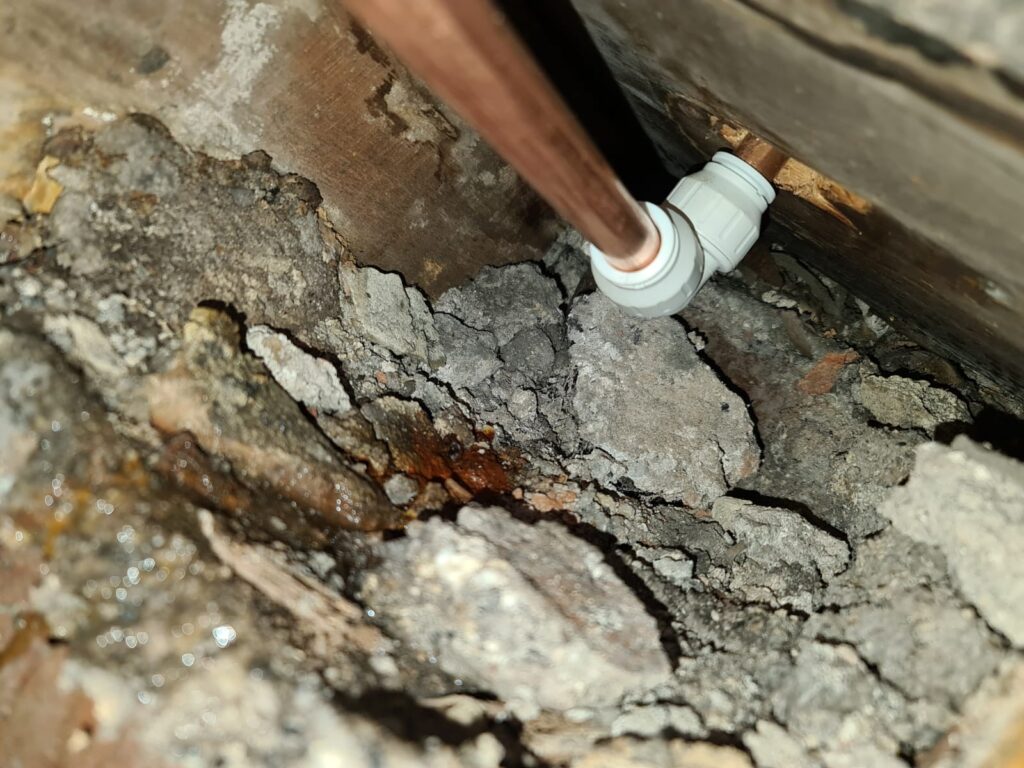
What is a Sump Pump?
A sump pump is a specialized device designed to remove excess water from basements and crawlspaces. It is typically installed in a sump pit, a specially constructed pit or basin located in the lowest point of the basement floor. When water accumulates in the sump pit, the sump pump activates, pumping the water away from the foundation and discharging it safely away from the property.
Advantages of a Sump Pump
- Flood Prevention: A sump pump helps prevent water damage by removing excess water and reducing the risk of flooding.
- Mold and Mildew Prevention: By keeping your basement dry, a sump pump helps prevent the growth of mold and mildew, promoting a healthy indoor environment.
- Property Value: Installing a sump pump can increase your property’s value, as it demonstrates your commitment to safeguarding against water-related issues.
- Insurance Benefits: Some insurance providers offer lower premiums to homeowners with sump pumps, recognizing the reduced risk of water damage claims.
Types of Sump Pumps
- Submersible Sump Pumps: These pumps are placed directly in the sump pit and are designed to be submerged in water. They are generally more powerful and quieter than pedestal pumps.
- Pedestal Sump Pumps: Pedestal pumps have a motor installed above the sump pit, with a pipe extending down to the pump. They are easier to service but may produce more noise.
- Battery Backup Sump Pumps: Battery backup sump pumps provide added protection during power outages, ensuring the pump continues to operate and protect your property.
- Water-Powered Sump Pumps: These pumps use your home’s water supply to create suction and remove water. They are ideal for areas with frequent power outages but may have a lower pumping capacity.
Sump Pump Installation
Proper sump pump plumbing installation is essential for its optimal performance. Here’s a step-by-step guide to installing a sump pump:
1. Gather Your Tools and Materials
Before you start, ensure you have all the necessary tools and materials, including a sump pump, check valve, PVC pipes, basin, gravel, concrete, and a discharge hose.
2. Choose the Right Location
Select the lowest point in your basement or crawlspace to install the sump pit. It should be away from any structural columns or walls to avoid obstruction.
3. Dig the Sump Pit
Using a shovel, excavate a hole deep enough to accommodate the sump basin. Ensure the bottom of the pit is level and stable.
4. Install the Sump Basin
Place the sump basin in the pit and fill the area around it with gravel for stability.
5. Install the Sump Pump
Attach the sump pump to the designated spot in the sump basin. Connect the check valve to the pump to prevent backflow.
6. Install the Discharge Pipe
Connect the discharge pipe to the pump and route it away from the foundation to a safe drainage area.
7. Test the Pump
Fill the sump pit with water to test the pump’s functionality. Ensure that the pump activates and discharges water correctly.
8. Seal the Sump Pit
Seal the sump pit with a lid to prevent debris from falling in and to minimize odors.
Sump Pump Repair
A malfunctioning sump pump can leave your property vulnerable to water damage. Here are some common sump pump issues and how to address them:
1. Pump Won’t Start
Check the power source and ensure the pump is plugged in. Test the outlet with another device to ensure it’s functional. If the outlet works, but the pump still won’t start, the motor may be faulty and require professional repair or replacement.
2. Continuous Running
If the sump pump runs continuously, it may indicate an issue with the float switch. Ensure the switch moves freely and isn’t stuck. Additionally, check the pump for debris or obstructions that may prevent proper functioning.
3. Reduced Pumping Capacity
A decrease in pumping capacity could be due to a clogged intake screen or impeller. Clean the pump and remove any debris or sediment that might hinder its performance.
4. Unusual Noises
Unusual noises, such as grinding or rattling sounds, may suggest a problem with the motor or impeller. Turn off the pump immediately and seek professional assistance to diagnose and resolve the issue.
5. Frequent Cycling
If the sump pump cycles on and off too frequently, it may be undersized for the volume of water it needs to handle. Consider upgrading to a pump with a higher capacity.
6. No Water Discharge
If the sump pump appears to be running, but no water is being discharged, check the discharge pipe for clogs or freezing. Thaw any frozen sections and clear any obstructions.
FAQs (Frequently Asked Questions)
Q: How often should I test my sump pump?
A: It is advisable to test your sump pump at least twice a year. Test it before the rainy season and again after to ensure its proper functioning.
Q: Can I install a sump pump myself, or should I hire a professional?
A: While some homeowners may be comfortable with DIY installation, hiring a professional ensures proper installation and reduces the risk of errors that could lead to water damage.
Q: How long can a sump pump last before needing replacement?
A: The lifespan of a sump pump can vary depending on factors such as usage and maintenance. On average, a sump pump can last between 7 to 10 years.
Q: What maintenance does a sump pump require?
A: Regular maintenance involves cleaning the pump, checking the float switch, and testing its functionality. Additionally, ensure the discharge pipe is free from obstructions.
Q: Can I use a sump pump in a crawl space?
A: Yes, sump pumps can be used in crawl spaces to prevent water accumulation and potential damage.
Q: Are battery backup sump pumps worth the investment?
A: Yes, battery backup sump pumps provide an added layer of protection during power outages, ensuring your property remains safeguarded even when the electricity is down.
Conclusion
Sump pump installation and repair are essential aspects of maintaining a dry and secure property. By understanding the different types of sump pumps, the installation process, and how to address common issues, you can make informed decisions to protect your property from water damage and flooding. Remember to conduct regular maintenance and seek professional assistance when needed to ensure your sump pump operates efficiently for years to come.