In this comprehensive article, we delve into the world of leak detection and repair, exploring the various methods, importance, and tips to safeguard your property and finances. Find expert insights, first-hand experiences, and credible sources to help you understand and handle leak-related issues.
Introduction
Welcome to a guide that sheds light on one of the most critical aspects of property maintenance – leak detection and repair. Whether you are a homeowner, a business owner, or a property manager, ensuring your property is free from leaks is essential for preserving its structural integrity, safeguarding your finances, and protecting your investment. In this article, we will take you through a journey of understanding different types of leaks, their potential consequences, effective detection techniques, and the necessary repairs. By the end, you will be equipped with valuable knowledge to address and prevent leak-related issues confidently by Bristo Plumber Westbury on Trym.
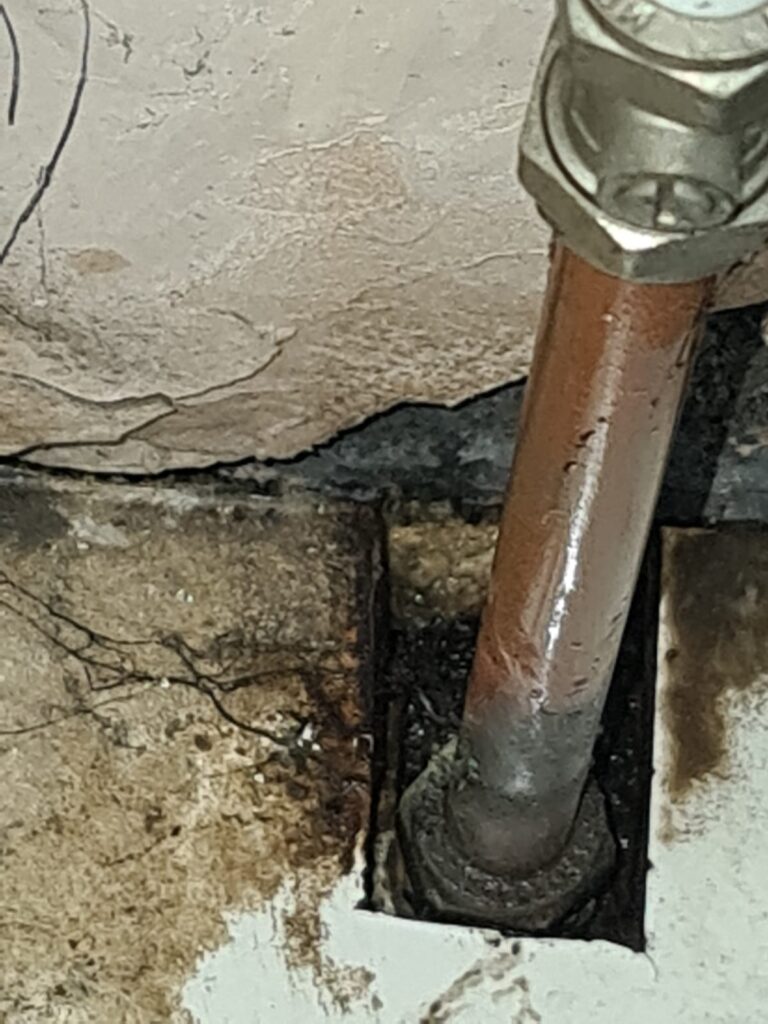
Leak Detection and Repair: What You Need to Know
Leak detection and repair refer to the process of identifying and resolving any unintended openings or weak points in a structure that allow the passage of fluids or gases. Such leaks can occur in various areas of a property, including plumbing systems, roofs, walls, and basements. Addressing these leaks promptly is vital to prevent damage, reduce water wastage, and avoid hefty repair costs.
The Importance of Early Leak Detection
Leak detection is not just about stopping a dripping faucet; it is about safeguarding your property, finances, and the environment. Early leak detection can prevent:
- Structural Damage: Leaks, if left unaddressed, can weaken the structure of your property, leading to costly repairs and potential safety hazards.
- Mold and Mildew Growth: Damp environments resulting from leaks create the perfect breeding ground for mold and mildew, posing health risks to occupants.
- Water Wastage: Undetected leaks can waste a significant amount of water, increasing utility bills and impacting the environment.
- Financial Loss: Repairing extensive damage caused by leaks can be expensive, impacting your finances significantly.
- Insurance Complications: Ignoring leaks may lead to insurance claims being denied due to negligence.
Signs of Leaks: How to Identify Them?
It’s essential to be vigilant about detecting leaks early on. Here are some signs that can indicate the presence of leaks in your property:
- Unexplained Increase in Water Bills: If your water bills are skyrocketing without any change in consumption habits, it might be due to an undetected leak.
- Visible Water Stains: Stains on walls, ceilings, or floors might indicate a leak nearby.
- Damp or Musty Odors: Persisting musty smells could be a sign of hidden leaks and mold growth.
- Peeling Paint or Wallpaper: Water seepage can cause paint or wallpaper to peel off.
- Mold Growth: The presence of mold, especially in areas like bathrooms and basements, may indicate moisture issues.
- Pooling Water: Puddles or standing water in unusual areas of your property suggest an active leak.
- Sounds of Dripping or Running Water: If you hear dripping sounds or water running even when all taps are turned off, it could be a sign of a leak.
Leak Detection Methods: How to Find the Source?
Detecting leaks requires a combination of observation, advanced technology, and professional expertise. Here are some effective leak detection methods:
- Visual Inspection: Conduct a thorough visual inspection of your property, checking for visible signs of leaks, such as water stains, mold, or damp spots.
- Pressure Testing: This method involves pressurizing pipes and monitoring pressure drops to identify leaks.
- Infrared Thermography: Using infrared cameras, professionals can detect temperature variations that indicate water leaks.
- Acoustic Leak Detection: This method involves using sound-sensitive equipment to detect the sound of water escaping from pipes.
- Dye Testing: Adding dyes to water systems can help trace the path of leaks visually.
- Moisture Meters: These devices measure moisture levels in materials, helping identify areas affected by leaks.
The Role of Professional Leak Detection Services
While some minor leaks can be handled by DIY enthusiasts, complex leaks and hidden issues often require the expertise of professional leak detection services. Hiring professionals offers several advantages:
- Advanced Technology: Leak detection experts utilize cutting-edge tools and technology to pinpoint leaks accurately.
- Saving Time and Money: Professionals can quickly identify and repair leaks, preventing further damage and reducing repair costs.
- Preventing Further Damage: Timely intervention by experts can prevent extensive damage to your property.
- Expert Analysis: Professionals provide comprehensive reports and recommendations to address underlying issues.
DIY Leak Repair: Tips for Small Leaks
For minor leaks that do not require professional attention, you can attempt DIY repairs. However, proceed with caution and consider the following tips:
- Turn Off Water: Before attempting any repair, turn off the water supply to the affected area to avoid further damage.
- Assess the Damage: Evaluate the extent of the leak and the materials needed for the repair.
- Gather Necessary Tools: Ensure you have the appropriate tools and materials for the job.
- Follow Instructions: Follow repair guides and manufacturer instructions carefully.
- Test Repairs: After completing the repair, test to ensure the issue is resolved.
When to Call a Professional for Leak Repair?
While DIY repairs can be cost-effective for minor leaks, some situations call for immediate professional intervention:
- Extensive Water Damage: If the leak has caused significant water damage, professional restoration is necessary.
- Hidden Leaks: Leaks behind walls, under the foundation, or in concealed areas require professional detection and repair.
- Gas Leaks: Gas leaks are hazardous and should only be handled by trained professionals.
- Complex Plumbing Systems: Properties with intricate plumbing systems should be handled by experts to avoid further complications.
- Persistent Leaks: If a leak keeps recurring despite DIY attempts, it’s time to call professionals.
Frequently Asked Questions (FAQs)
- Q: How much does professional leak detection cost?
- A: The cost of professional leak detection varies depending on the location, complexity of the leak, and the service provider. It’s best to request quotes from multiple companies for comparison.
- Q: Are all leaks visible?
- A: No, not all leaks are visible. Some leaks occur within walls, floors, or underground, making them hard to detect without specialized equipment.
- Q: Can leaks lead to health issues?
- A: Yes, leaks can cause mold growth, which can lead to respiratory issues and allergies, especially in vulnerable individuals.
- Q: Can I use leak detection products available in the market?
- A: While some products may help detect minor leaks, they may not be as accurate or effective as professional leak detection services.
- Q: How often should I conduct leak inspections?
- A: Regular inspections, at least once a year, are recommended to catch leaks early and prevent extensive damage.
- Q: Do insurance policies cover leak-related damages?
- A: Insurance coverage varies, so it’s essential to review your policy and understand the coverage for leak-related damages.
Conclusion
Leak detection and repair are crucial aspects of property maintenance that demand attention and prompt action. Whether you encounter a small leak or suspect hidden issues, addressing them early can save you from expensive repairs and safeguard your property. Remember, for complex leaks and hidden problems, seeking professional leak detection and repair services is the wisest choice. With the knowledge gained from this article, you are now better equipped to handle leak-related challenges and ensure the longevity of your property.