Drain Unblocking: A Comprehensive Guide to Keeping Your Drains Clear
Learn all about drain unblocking, from common causes of blockages to effective DIY solutions and when to call in the professionals. Keep your drains clear and functioning properly with this informative guide.
Introduction
Welcome to our comprehensive guide on drain unblocking. Dealing with blocked drains can be a frustrating and unpleasant experience for any homeowner. Clogged drains not only create inconveniences but can also lead to more serious issues if left unattended. In this article, we will cover everything you need to know about drain unblocking, including common causes of blockages, preventive measures, DIY solutions, and when it’s time to seek professional help.
So, if you’ve ever wondered how to keep your drains clear and your plumber Westbury on Trym system running smoothly, you’ve come to the right place. Let’s dive in and explore the world of drain unblocking.
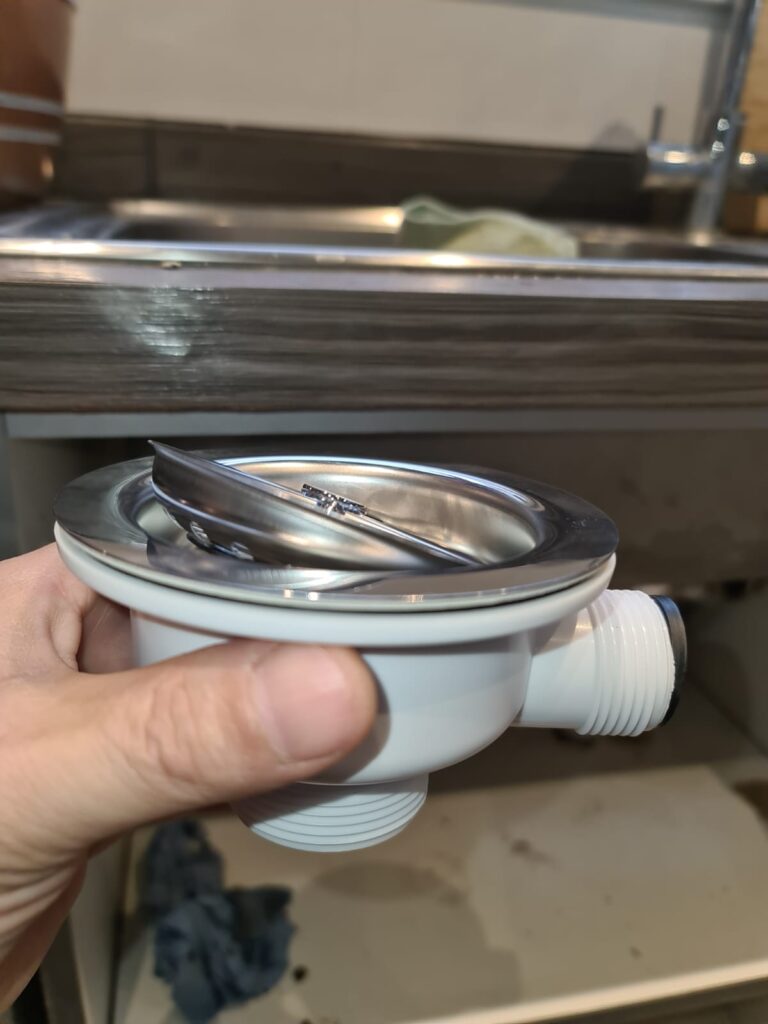
Drain Unblocking: Understanding the Basics
To effectively deal with drain blockages, it’s essential to understand how your plumbing system works and what commonly causes blockages. Let’s start with the basics:
1. How Drains Work and Their Importance
Drains are an integral part of your home’s plumbing system, responsible for carrying away wastewater from sinks, showers, bathtubs, and toilets. Properly functioning drains are crucial to maintaining a hygienic and comfortable living environment.
2. Common Causes of Drain Blockages
Drain blockages can occur due to various reasons. Some of the most common causes include:
- Accumulation of Food Waste: Kitchen sinks often get clogged due to the improper disposal of food scraps and grease.
- Hair Buildup: Bathroom drains are prone to clogging due to hair and soap scum buildup.
- Foreign Objects: Toys, sanitary products, and other objects accidentally flushed down the toilet can lead to blockages.
- Tree Roots: Tree roots seeking moisture can infiltrate underground pipes, causing obstructions.
3. The Importance of Regular Maintenance
Regular maintenance is key to preventing drain blockages and keeping your plumbing system in top condition. We’ll discuss effective maintenance tips later in the article.
DIY Solutions for Drain Unblocking
Before calling in a professional plumber, you can try several DIY solutions to clear minor drain blockages. Here are some effective methods:
1. Boiling Water and Baking Soda
A simple yet powerful method, pouring boiling water mixed with baking soda down the drain can dissolve light blockages caused by grease and small debris.
2. Vinegar and Baking Soda
Creating a natural chemical reaction, pouring a mixture of vinegar and baking soda down the drain can break down organic materials causing the blockage.
3. Plunger
Using a plunger can dislodge stubborn blockages by creating pressure and forcing the clog to move.
4. Drain Snake
A drain snake, also known as an auger, is a flexible tool used to manually remove debris and break up clogs.
5. Wet and Dry Vacuum
A wet and dry vacuum can be effective in sucking out blockages, especially in kitchen sinks.
When to Call a Professional Plumber
While DIY methods can resolve minor blockages, some situations require the expertise of a professional plumber. Knowing when to call for help can save you time, money, and potential damage to your plumbing system.
1. Repeated Blockages
If you find yourself dealing with frequent drain blockages, there might be an underlying issue that needs professional attention.
2. Foul Odors
Persistent foul odors emanating from your drains could indicate a more serious problem that requires immediate investigation.
3. Gurgling Sounds
Gurgling sounds coming from your drains might be a sign of a blocked vent or other plumbing issues.
4. Slow Drainage
Water draining slowly from sinks and bathtubs could suggest a partial blockage that needs professional clearing.
5. Backflow
Backflow, where water comes back up from the drain, is a serious issue that should be addressed promptly by a plumber.
6. DIY Methods Failed
If your attempts at DIY drain unblocking have been unsuccessful, it’s time to call in the professionals.
Drain Unblocking Maintenance: Keeping Your Drains Clear
Prevention is always better than cure, and regular maintenance is key to avoiding drain blockages. Follow these maintenance tips to keep your drains clear:
1. Use Drain Guards
Place drain guards over your sinks and bathtubs to catch hair, food debris, and other materials before they enter the drain.
2. Dispose of Grease Properly
Never pour grease or cooking oil down the drain; instead, collect and dispose of it in the trash.
3. Avoid Flushing Foreign Objects
Educate household members about what can and cannot be flushed down the toilet to prevent blockages.
4. Regularly Clean Drains
Once a month, flush your drains with hot water to help prevent the buildup of soap scum and other debris.
5. Professional Inspections
Schedule regular inspections with a professional plumber to identify and address potential issues before they become major problems.
FAQs (Frequently Asked Questions)
- Is Drain Unblocking Safe for the Environment?Drain unblocking can be safe for the environment if you use eco-friendly methods and avoid harsh chemicals. Opt for natural solutions whenever possible.
- Can I Use Chemical Drain Cleaners?Chemical drain cleaners can be effective in clearing blockages, but they may also damage pipes and harm the environment. It’s best to use them as a last resort and with caution.
- Why Should I Avoid DIY Methods for Stubborn Blockages?Stubborn blockages might require professional attention to prevent further damage to your plumbing system. DIY methods can sometimes worsen the situation.
- How Often Should I Schedule Drain Inspections?It’s recommended to schedule drain inspections at least once a year to catch and address any potential issues early on.
- What Should I Do if I Experience Backflow?Backflow is a serious issue that requires immediate action. Turn off the water supply and call a plumber right away.
- Can Tree Roots Really Cause Drain Blockages?Yes, tree roots can infiltrate underground pipes and cause blockages, especially in older plumbing systems.
Conclusion
Taking care of your drains is essential for maintaining a clean and functional home. By understanding the common causes of drain blockages and implementing preventive measures, you can keep your drains clear and avoid costly plumbing issues. Remember to use DIY solutions for minor blockages and seek professional help for more significant problems. Regular maintenance and professional inspections will go a long way in ensuring the longevity of your plumbing system.
So, next time you encounter a drain blockage, you’ll be well-prepared to tackle the issue effectively and efficiently.