In this detailed and informative article, we will explore everything you need to know about pipe installation and repair. From understanding the process to troubleshooting common issues, we’ve got you covered. Gain insights from experts in the field and find practical solutions for all your pipe-related needs.
Introduction
Pipe installation and repair are essential aspects of maintaining a functional plumbing system in any building. Whether you’re a homeowner or a business owner, understanding how to install and repair pipes properly can save you time, money, and hassle. In this comprehensive guide, we’ll take you through the entire process of pipe installation and repair, providing expert insights and tips to ensure your Plumber Westbury on Trym system operates smoothly. So, let’s dive right in and become well-versed in the art of pipe installation and repair!
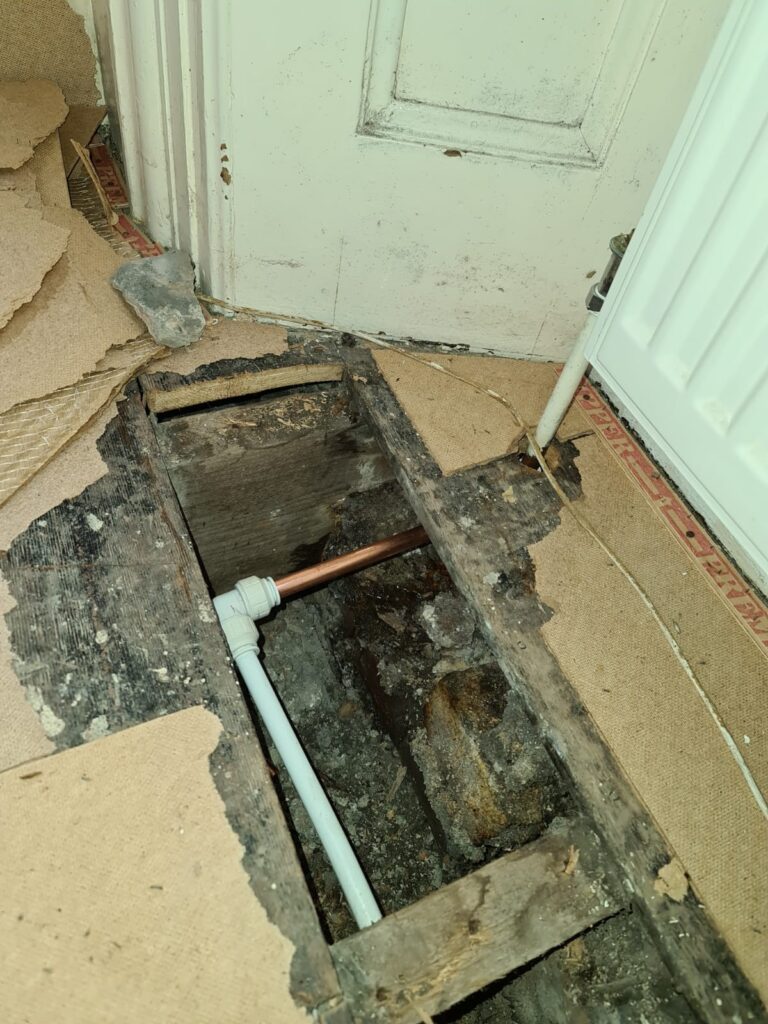
Pipe Installation and Repair – The Basics
What Are Pipes and Their Importance in Buildings?
Pipes are hollow cylinders used to transport water, gas, or other fluids from one location to another within a building’s plumbing system. They are vital components that facilitate the flow of essential resources and waste management, ensuring a functional and hygienic environment.
Different Types of Pipes Used in Plumbing
- PVC Pipes: Versatile and affordable, PVC pipes are commonly used for drainage and venting applications.
- Copper Pipes: Known for their durability and resistance to corrosion, copper pipes are often used for water supply lines.
- PEX Pipes: Flexible and easy to install, PEX pipes are becoming increasingly popular for water distribution systems.
- Galvanized Pipes: These pipes are coated with zinc to prevent rust and are commonly found in older plumbing systems.
Planning for Pipe Installation – Key Considerations
Before commencing a pipe installation project, careful planning is crucial. Here are some essential considerations to keep in mind:
- Preliminary Inspection: Assess the existing plumbing system and identify areas that require repair or replacement.
- Materials Selection: Choose the appropriate type of pipe material based on the specific requirements of the project.
- Measuring and Cutting: Accurate measurements and proper cutting are essential for a successful installation.
Step-by-Step Guide to Pipe Installation
- Turn Off Water Supply: Before beginning any installation or repair work, shut off the main water supply to avoid accidents and water damage.
- Prepare the Pipe: Clean the pipe ends and remove any burrs or rough edges to ensure a proper fit.
- Apply Pipe Joint Compound: Coat the pipe threads with a joint compound to create a watertight seal when connecting pipes.
- Assemble the Pipes: Join the pipes together using appropriate connectors, ensuring secure and leak-free connections.
- Pressure Test: Conduct a pressure test to check for any leaks or weak spots in the newly installed pipes.
Troubleshooting Common Pipe Issues
Dealing with Pipe Leaks
Pipe leaks can cause water damage and increased utility bills. Here’s how to handle them:
- Identify the Leak: Check for visible signs of water stains, dampness, or mold to locate the leak’s source.
- Tighten Fittings: If the leak is minor, tightening the fittings may resolve the issue.
- Use Pipe Repair Clamps: For larger leaks, consider using pipe repair clamps to seal the damaged area temporarily.
Fixing Noisy Pipes
Noisy pipes can be annoying and may indicate an underlying problem. Here’s what you can do:
- Check Water Pressure: High water pressure can cause loud banging noises in pipes. Consider installing a pressure-reducing valve.
- Insulate Pipes: Adding insulation to pipes can dampen vibrations and reduce noise.
Addressing Clogged Pipes
Clogged pipes can lead to slow drainage and backups. Try these solutions:
- Use a Plunger: A plunger can help dislodge minor blockages in sinks and toilets.
- Chemical Drain Cleaners: Chemical drain cleaners can be effective against grease and small obstructions. However, use them with caution and follow the instructions.
Frequently Asked Questions (FAQs)
- Q: How long does it take to install a new pipe in a building? A: The time required for pipe installation depends on various factors such as the complexity of the project, the type of pipe material used, and the size of the building. On average, a standard pipe installation may take a few days to a week.
- Q: Can I install new pipes in my home myself, or should I hire a professional? A: While minor pipe repairs may be attempted by homeowners with some plumbing knowledge, it is advisable to hire a professional plumber for major installations. Incorrect installation could lead to costly repairs in the future.
- Q: How often should I inspect my pipes for potential issues? A: Regular inspections are essential to catch and address pipe issues early on. A yearly inspection is recommended, and additional checks should be performed if you notice any signs of leaks or clogs.
- Q: Are there any eco-friendly pipe materials available for installation? A: Yes, eco-friendly pipe materials like PEX and HDPE (High-Density Polyethylene) are gaining popularity due to their recyclability and reduced environmental impact.
- Q: What should I do if I encounter a burst pipe? A: In the event of a burst pipe, immediately shut off the water supply, and contact a professional plumber for emergency repair services.
- Q: Can I repair a leaking pipe temporarily until I get professional help? A: Yes, using pipe repair clamps or pipe tape can provide temporary relief until a professional plumber can address the issue permanently.
Conclusion
Pipe installation and repair are vital skills that every homeowner and business owner should be familiar with. Properly installed and well-maintained pipes ensure a safe and efficient plumbing system, avoiding potential water damage and costly repairs. By following the comprehensive guide provided in this article, you can confidently undertake pipe installation and repair projects, knowing that you possess the knowledge and expertise required for success.
Remember, when in doubt, it is always wise to seek the assistance of a professional plumber, especially for complex installations and major repairs. Stay proactive in inspecting your plumbing system regularly to catch and resolve issues before they escalate.